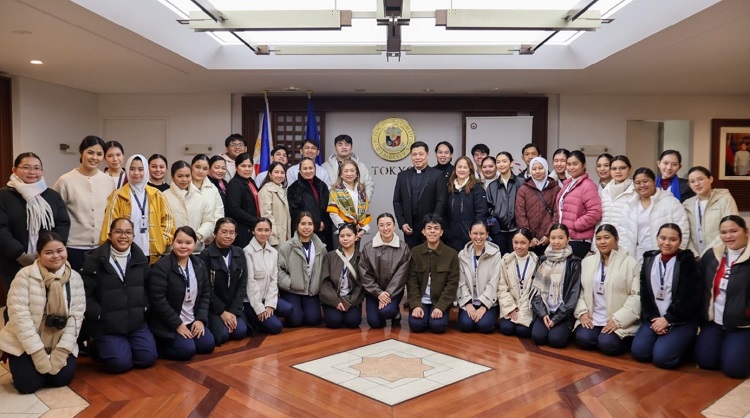
In a landmark engagement bridging Philippine education and global industry needs, the Xavier University - Ateneo de Cagayan College of Nursing (CON) delegation paid a courtesy visit to the Philippine Embassy in Tokyo on 2 February 2026. This visit, a key component of the 2025 Student Nurses’ International Learning Program (SNILP) - Tokyo, saw the delegation led by Xavier University President Fr Mars P Tan, SJ PhD, alongside CON Dean Mary Grace Malana Paayas and Mr Don Antonio Velez warmly received by Her Excellency Mylene J Garcia-Albano, the first female Ambassador of the Philippines to Japan. The Ambassador, who has enjoyed a long and distinguished career in government service, engaged the group in a dialogue regarding the evolving landscape of international healthcare and diplomatic support structures.
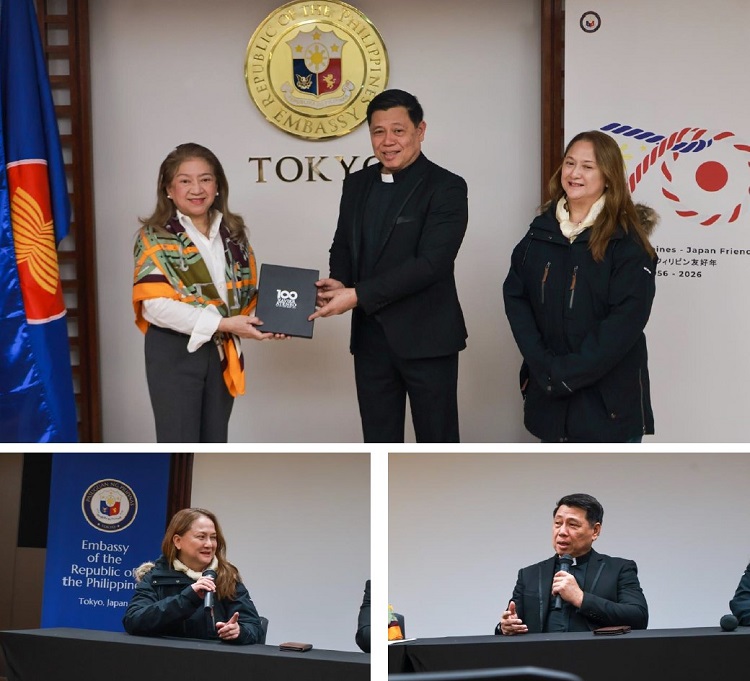
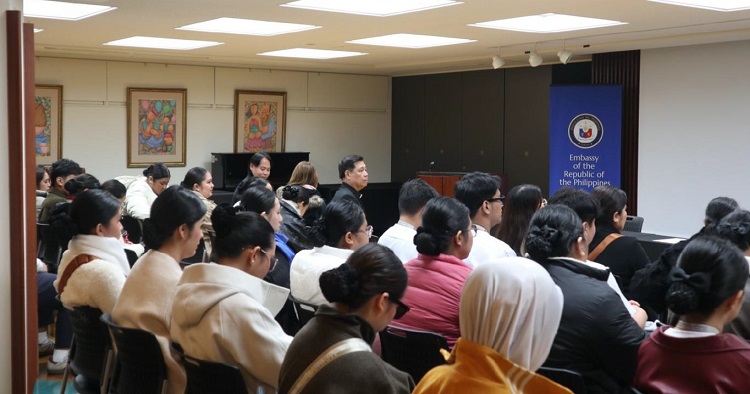
A primary outcome of the SNILP Program is the emphasis on identifying possible pathways and employment targets in the care industry where the specific brand of Filipino, Catholic, and Jesuit Gerontologic Nursology is most needed. According to Mr Velez, the author and collaborative program developer of the SNILP for the XU College of Nursing, the visit was intentionally arranged to cultivate a deep consciousness among students regarding the formal structures in place that support global Filipino citizenship and migrant cross-cultural relations across professions, including Nursing. The program aims to provide students the opportunity to expand their prospects and aspirations as would be care professionals. Ambassador Garcia-Albano echoed the importance of this focus and expressed the invitation to review and attune the university's curricular offerings to meet specific demands in international settings and contexts. Using Nursing as a primary example, the Ambassador pointed out that while Japan’s aging population creates a high demand for healthcare professionals, the social and person-centered care orientation in Japan stands in contrast to the Philippine curriculum, which is traditionally skewed toward medical care. To bridge this gap, Her Excellency Garcia-Albano expressed a strong willingness to work with Xavier University under the leadership of Fr Mars to connect the institution with Japanese training organizations. These partnerships aim to further enhance the various programs Xavier University offers, ensuring they are responsive to the specific cultural and professional requirements of the Japanese market.
Following the visit, the Embassy formally shared information regarding Republic Act No 11448, also known as the Transnational Higher Education Act, which provides the legal framework for Philippine universities to expand their offerings through branch campuses, joint arrangements, or partnerships with foreign institutions. This Act is intended to align academic training with internationally recognized standards and promote knowledge transfer between the Philippines and advanced economies like Japan. The Embassy highlighted that under the Transnational Higher Education Act, Xavier Ateneo can make its offerings more responsive to global needs by working with international organizations to provide curated, job-ready training. This includes the institutionalization of clear school-to-employment pathways and strengthening industry-academe coordination, as recommended by the National Education Plan.
Dean Paayas has also been invited to pursue further communication with the Embassy regarding future engagements in research and social service. This visit marks another significant milestone for the Xavier College of Nursing and the SNILP Program, made possible through the coordination of the Cultural and Migrant Workers Section and the Economic Section of the Philippine Embassy in Tokyo.