By: Victoria Melissa C Pulido
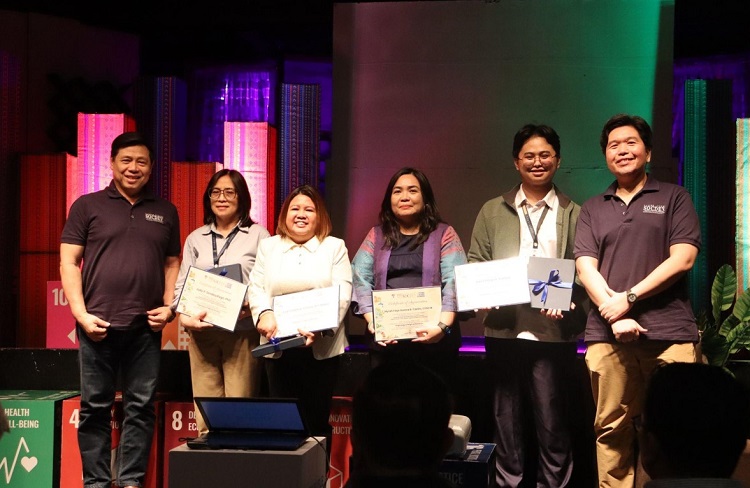
A panel of experts served as reactors during the SD Week 2026 Keynote and Opening Program composed of Dean of the College of Arts and Sciences
Dr Judy P Sendaydiego, XUGS Principal Ms Lea Lilibeth Emata, XU Board of Trustee and DepDev Regional Director Dir Mylah Faye Carino,
and CSG President John Phillip Talaba
The insights shared by Fr Roberto “Bobby” C Yap, SJ, during the Social Development Week 2026 Opening Program ignited a dialogue that brought the Sustainable Development Goals (SDGs) home to the Xavier Ateneo community.
Following the keynote, a panel transitioned the conversation from institutional frameworks to formation and regional urgency. This segment of the program underscored that while global targets provide the roadmap, the true engine of sustainability lies in a collective "ecological conversion" that bridges the gap between the university’s mission and the pressing needs of Northern Mindanao.
Ms Lea Lilibeth Emata, Principal of Xavier University Junior High School and representing Basic Education, shared that lived commitments begin in the classroom long before they reach a university master plan. "Sustainability is formation, not just compliance," Emata stated, introducing her "Three A’s" framework. This approach begins with Awareness, ensuring students understand the world’s wounds and possibilities; moves to Accompaniment, where mentors walk with young people as they discern their contributions; and culminates in Action, where reflection leads to concrete service and leadership. She challenged the community to foster an "intergenerational responsibility" so that sustainability feels like a natural extension of how students live from kindergarten onward.
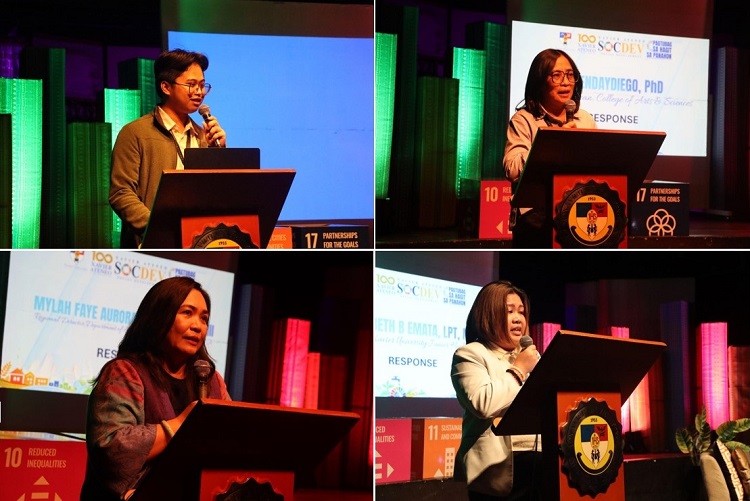
Supporting this call, Dean of the College of Arts and Sciences and higher education representative Dr Judy P Sendaydiego, urged a shift from voluntary and siloed initiatives to data-driven strategies across academic clusters. Meanwhile, CSG President and student representative John Phillip N Talaba reminded attendees that a sustainable university must be centered on people, ensuring infrastructure supports the mental, social, and spiritual well-being of the community.
Providing a reality check, Regional Director of the Department of Economy, Planning, and Development (DepDev, formerly NEDA) and also a member of the XU Board of Trustees Dir Mylah Faye Cariño, shared that Region 10 is currently regressing in several SDG indicators, including malnutrition and adolescent births. She urged Xavier Ateneo to be outward-looking, acting as a trailblazer that collaborates with the government to bridge the gap for Northern Mindanao’s most vulnerable.
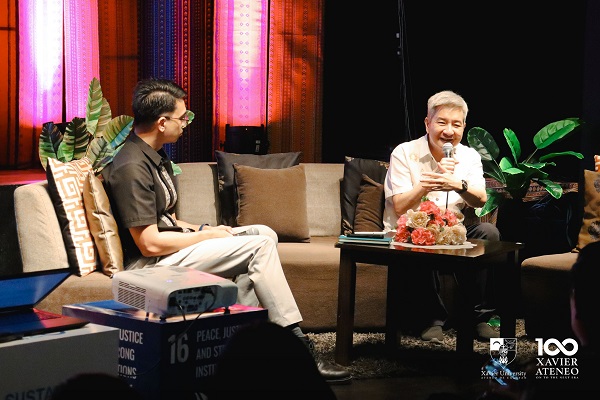 Atty Ernesto B Neri, XUCLA Director moderated the Open Forum with Fr Bobby Yap SJ
and offered insights as part of the programs synthesis
During the open forum moderated by Atty Ernesto B Neri, XUCLA Director, the community engaged with Fr Yap on the complexities of implementation. On managing competing interests, such as campus infrastructure versus environmental preservation, he identified dialogue as the essential tool. He cited a Campus Mobility Forum held during a parking lot renovation as an example of ensuring all stakeholders were heard. On behavioral change, he returned to the concept of ecological conversion, stating that hearts must be touched before habits can truly change.
Closing the afternoon, Atty Neri offered a powerful synthesis through three dimensions. He first challenged the Personal, asking if individual habits sustain life and if one is truly practicing sustainability or merely sharing it on social media. He then looked at Community Processes, questioning if systems are genuinely inclusive and if the vulnerable feel safe in those processes. Finally, he addressed the Public sphere, asking what kind of society is being normalized and whether the university is forming social change agents or merely academic achievers.
As a close, Atty Neri echoed Fr Pedro Arrupe’s invitation to live simply and become agents of change, noting that the call of sustainability is not just institutional, but a struggle within ourselves.