By John Louis R Caga, Service-learning formator
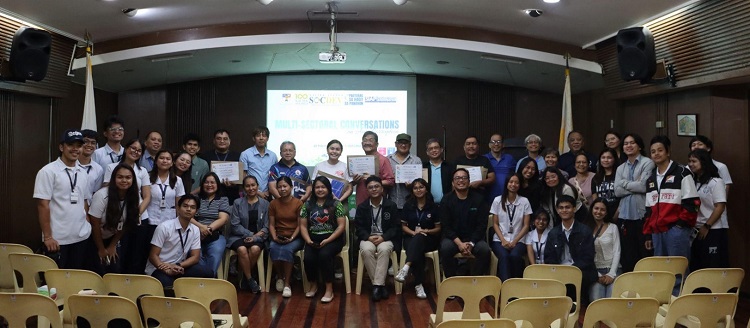
In photo: The speakers, sectoral representatives, organizers and the participants of the Multi-Sectoral Conversations on
Anti-Corruption held at AVR 1, Old Library, Xavier University–Ateneo de Cagayan Main Campus.
On 3 March 2026, Xavier University’s Social Involvement and Advocacy Program (SIAP) hosted the “Multi-Sectoral Conversation on Anti-Corruption” at the XU Main Campus. Part of Social Development Week 2026 with the theme “PAGTUBAG SA HAGIT SA PANAHON: Nurturing Legacies and Serving Communities,” the forum convened a diverse group of advocates from the youth, academe, civil society, media, and faith-based sectors.
Mr Nestor M Banuag Jr, Director of the Social Involvement and Advocacy Program (SIAP), opened the forum by noting that despite long-standing anti-corruption efforts, the struggle persists because corruption is rooted in systems, culture, and silence. He emphasized that this conversation transcends mere collaboration, focusing instead on the mutual listening required for genuine dialogue. Ultimately, he argued that such engagement ensures sectoral movements complement rather than overlap, fostering more coordinated and sustained reform.
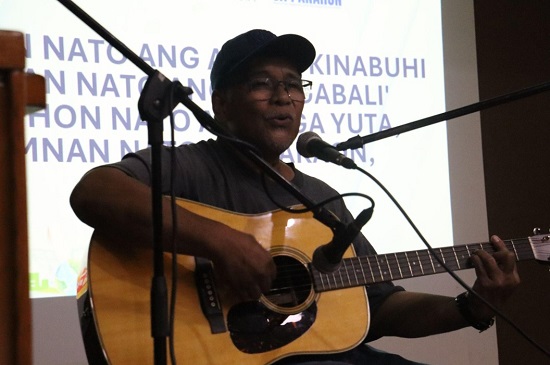
The musical performances of Mr Felipe “Pipi” Abrogar, a local folk musician based in Cagayan de Oro, provided a reflective disposition amongst participants in the program. He wrote and sang two (2) songs, “Kung Samahan ay Maganda” and “Wa Pa Mahuman Ang Tanan”. Mr Abrogar, through his music, bridged artistic expression with social advocacy.
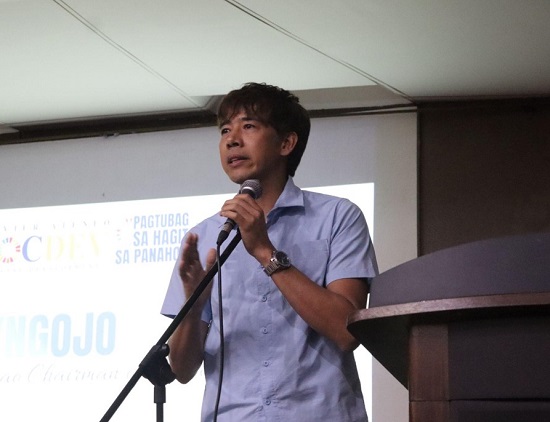
Leadoff speaker Mr Karl Yngojo, Mindanao Chairman of Kamanggagawa Partylist, discussed “Selective Outrage and Shared Responsibility: Understanding Our Role in Corruption.” He argued that corrupt systems mirror Filipino resilience and adaptation, allowing them to endure reform and evolve through scandals like the PDAF and flood control controversies. Highlighting the paradox of these traits, Yngojo concluded that “ang root sa kasamuk ug evil, ang atong walay katagbawan nga mu-angkon ug wealth…,” echoing the Marxist view that the relentless pursuit of power and wealth fuels systemic corruption.
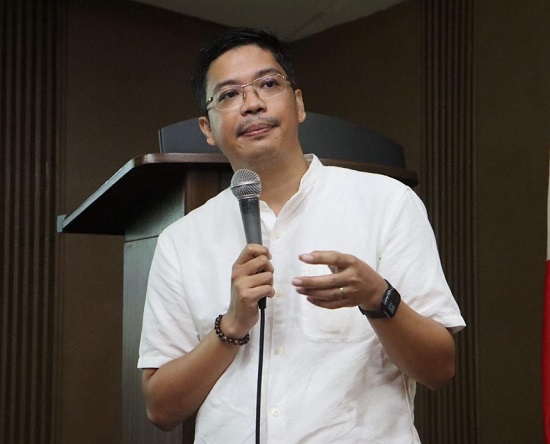
The second discussant, Mr Joseph Anthony Sabal, developer of RADARI, presented “Empowering Communities through Real-time Reporting.” He introduced RADARI as a web-based, crowdsourced platform designed to document issues such as traffic congestion and infrastructure defects using geotagged photos and timestamps to promote transparency in Cagayan de Oro. Addressing the nuanced nature of corruption, Sabal remarked: “It seems like corruption does not always look like stolen money… sometimes it looks like a pothole… lubak nga [dalan] naa na diha gi report na nimo… pero naa pa [gihapon].” By making these reports public, RADARI aims to bridge the gap between citizen reporting and government accountability.
The subsequent open discussion highlighted real-life encounters with corruption, such as underutilized water infrastructure and the undermining of land rights for farmers and Indigenous Peoples due to restricted government information. These cases illustrated how corruption thrives when transparency is eroded. In response, representatives from the media, youth, and Church called for stronger freedom of information, expanded youth governance, and the use of technology for accountability.
In his synthesis, Philosophy Chairperson Mr Derrick Bart Pimentel underscored that combating corruption requires a culture of integrity anchored in transparency and ethical leadership, aligning with SDG 16: Peace, Justice, and Strong Institutions. The forum concluded that meaningful reform depends on both systemic change and active, multi-sectoral participation.