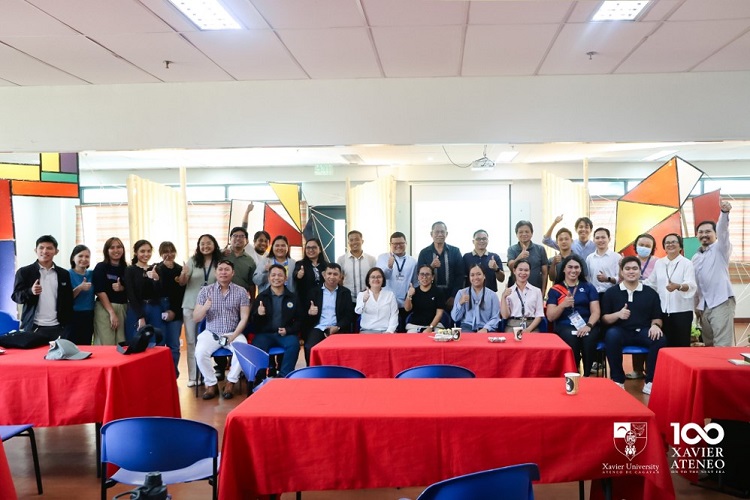
On 29 April 2026, Xavier University–Ateneo de Cagayan (XU) served as the regional hub for the 2nd DigiHaz Networking Activity, a pivotal gathering for the SCOPE-HE Digital Transformation for Natural Hazards (DigiHaz) project in Northern Mindanao.
The event did not just showcase local progress; it highlighted a project that has earned its place on the world stage. Out of more than 100 global proposals, DigiHaz was one of only three projects approved for funding by the European Union’s Global Gateway initiative, marking it as a cornerstone of international sustainability and climate action.
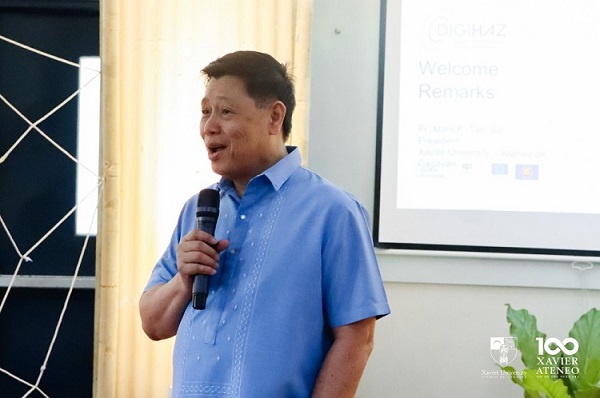
The activity commenced with a welcome address from XU President Fr Mars P Tan, SJ, who emphasized the university's role as a catalyst for innovation. Fr Mars affirmed that the institution's commitment to collaboration is essential for tackling the complex environmental challenges facing the region.
The DigiHaz project is a groundbreaking effort to revolutionize disaster management in the Philippines and Malaysia. By integrating the EU’s vision for a "Global Gateway," the project seeks to build secure and sustainable connections across the globe.
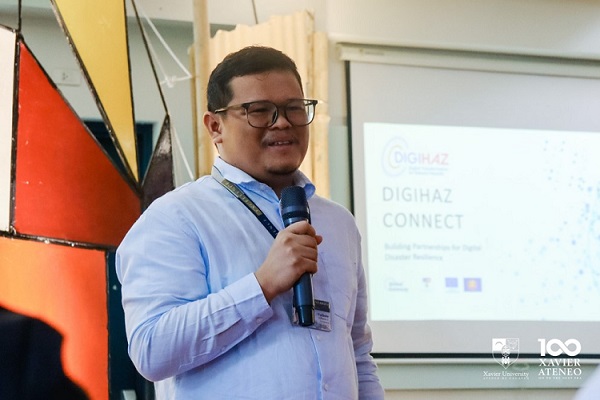
- The Vision: Prof Sergio Molina-Palacio from the University of Alicante shared the broader DigiHaz mission, focusing on how digital transformation can bridge gaps in disaster preparedness.
- Cutting-Edge Tech: Prof George Hlouopis of the University of West Attica delivered a keynote on the future of response, specifically the use of agentic AI and digital twins. These technologies allow for the creation of virtual replicas of physical environments to simulate and predict natural hazards with unprecedented accuracy.
Bringing the global vision down to a local scale, Engr Jefferson R Vallente Jr presented an overview of the DigiHaz initiatives currently being deployed in the Philippines.
"This isn't just about theory; it's about tools," Engr Vallente noted. Central to this is the DigiHaz online platform, which utilizes advanced data analytics to provide local stakeholders with the actionable intelligence needed to save lives.
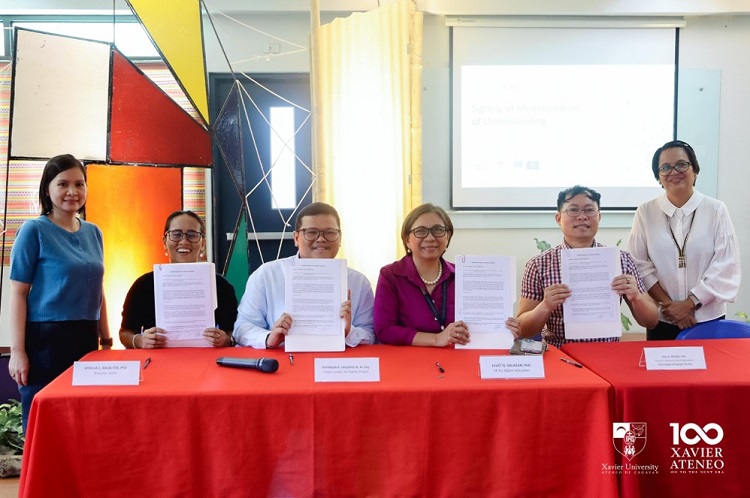
The event reached its peak with a ceremonial Memorandum of Understanding (MoU) signing. This agreement between Xavier University and key local stakeholders including the City College of Cagayan de Oro and the Northern Mindanao State College of Science and Technology ensures that the digital tools developed through DigiHaz will be integrated into the community's long-term safety protocols.
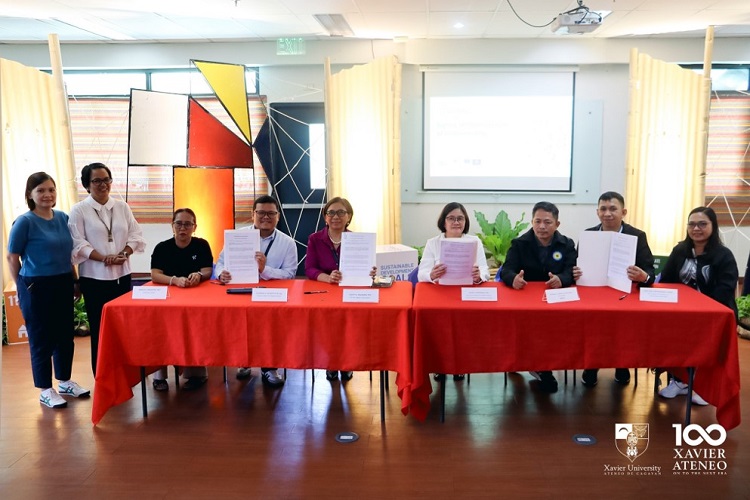
In her closing remarks, Dr Shiella C Balbutin, Director of the Office of International Cooperation and Networking, celebrated the milestone as a leap forward in international synergy. She noted that while the project’s approval rating (top 3 out of 120) proves its technical merit, the local partnerships prove its heart.
About DigiHaz: The DigiHaz project is an international collaborative initiative aimed at integrating digital tools and data analytics into disaster risk management frameworks to protect vulnerable communities.
More about the project at XU: https://www.xu.edu.ph/digihaz; https://www.digihaz.eu/