By: Abby Coleen Prantilla
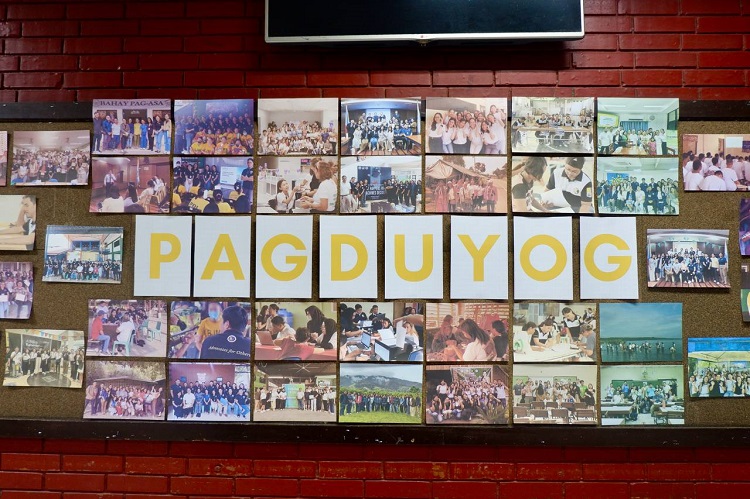
The Xavier University Center for Legal Assistance (XUCLA) marked the culmination of its annual Clinical Legal Education Program (CLEP) Learning Summit on 2 May 2026, at the XU Little Theatre. This year’s theme, “Pagduyog: Walking Alongside Communities as Companions for Justice,” acted as an official forum where student practitioners could analyze their experiences and collaborate on legal aid strategies for marginalized communities.
Atty Ernesto Neri opened the 4th CLEP Summit by delivering the welcome remarks, grounding the gathering in the true meaning of pagduyog. He explained that this Bisaya word means to move together, to harmonize, and to place oneself in rhythm with another until the movement forward belongs to both. Atty Neri challenged the audience to look beyond mere legal access or legal knowledge, urging the clinics to focus on true "legal empowerment." He emphasized that legal empowerment occurs when communities see and use the law as a tool for their own flourishing and systemic transformation, rather than relying on lawyers as mere service providers. He invited student practitioners to interrogate the root causes of injustice, from corporate environmental accountability to indigenous land stewardship, reminding them that while the law draws a line between what is legal and illegal, it cannot always discern what is just. "CLEP will ask you to sit with people the law has failed, and to help them believe it does not have to stay that way," Atty Neri remarked, concluding with a rallying call to move together toward a society where people are equipped to claim justice for themselves.
The substance of the summit then centered on sharing the diverse experiences gathered across XUCLA’s specialized legal clinics. While the sessions highlighted deep commitments to rights advocacy and Atty Neri's call for systemic reflection, the summit also bred a friendly competition between the clinics as the presentations began, adding a layer of communal energy to the clinical sharing.
The clinical sharing sessions began with the Gender Law Clinic, where Ma Monah Espiritu and John Vercide discussed advocacy, viewing gender equality through the wider lens of social justice and the demand for dignity that knows no borders. Following this, JC Jacutin of the Labor Law Clinic highlighted efforts to make labor rights accessible and understandable, ensuring that the law moves with the workers it seeks to protect.
The narrative then shifted to environmental stewardship with Trisha Reycitez and Aage Maneja of the Ridge-River-Reef Clinic, who detailed their roles in environmental governance and the belief that the protection of the earth is inseparable from the protection of its people. Pia Gustillo and Gio Loquellano then presented for the Peace and Democracy Clinic, emphasizing the importance of bridging divides through genuine dialogue and fostering civic engagement to sustain equity.
The sessions continued with Gabrielle Awiten and Gabriel Valmores of the Libertas Jail Decongestion Clinic, who addressed the human rights crisis in overcrowded facilities and the restoration of human dignity through proactive legal support. Finally, Abby Coleen Prantilla, Grapesy Itum, and Cassandra Eguia of the Indigenous Peoples Clinic concluded the sharing by detailing their work in legal empowerment and the protection of ancestral land heritage for indigenous communities.
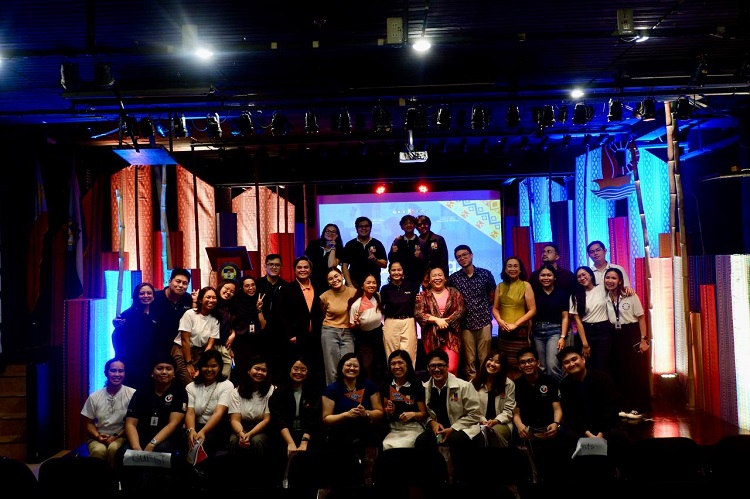
Under the leadership of XUCLA Student Director for Internals, Andrea Abesamis, the Summit provided a comprehensive view of the practical dimensions of legal study for incoming CLEP interns and first-year law students. By witnessing the concrete outcomes of legal theory applied to cases of social inequity, the event established a foundational perspective that professional practice requires going beyond classroom knowledge to address deeply rooted community issues. This approach successfully advanced XUCLA's mission of transforming legal education to cultivate a generation of lawyers who are not only competent in the law but also deeply committed to justice for vulnerable sectors.
Throughout the summit, the principle of pagduyog remained a constant thread. Justice was framed not as something pursued from a distance, but through the act of walking with people, understanding their realities, and empowering them through legal support. As the clinic stories unfolded, it became clear that the protection of the environment, the restoration of human dignity in detention, and the safeguarding of ancestral heritage are all interconnected struggles that require active and compassionate participation.